
Hair concerns can be confusing, particularly when information online often overlaps or contradicts itself. People may hear terms such as “hair loss,” “scalp conditions,” or “medical hair disorders” used interchangeably, even though they can relate to very different types of concerns.
Understanding the general distinctions between hair, scalp, and medical hair concerns can help individuals feel more informed and confident when deciding what type of support may be appropriate for them.
For general context, you may wish to read Hair Loss: Understanding the Bigger Picture.
Hair concerns often relate to how hair looks or behaves. These can include changes in texture, increased breakage, reduced volume, or difficulty managing hair compared to the past.
Such changes may be influenced by factors like styling practices, chemical treatments, environmental exposure, or general lifestyle habits. In many cases, these concerns are cosmetic rather than medical and can be explored through education and supportive care.
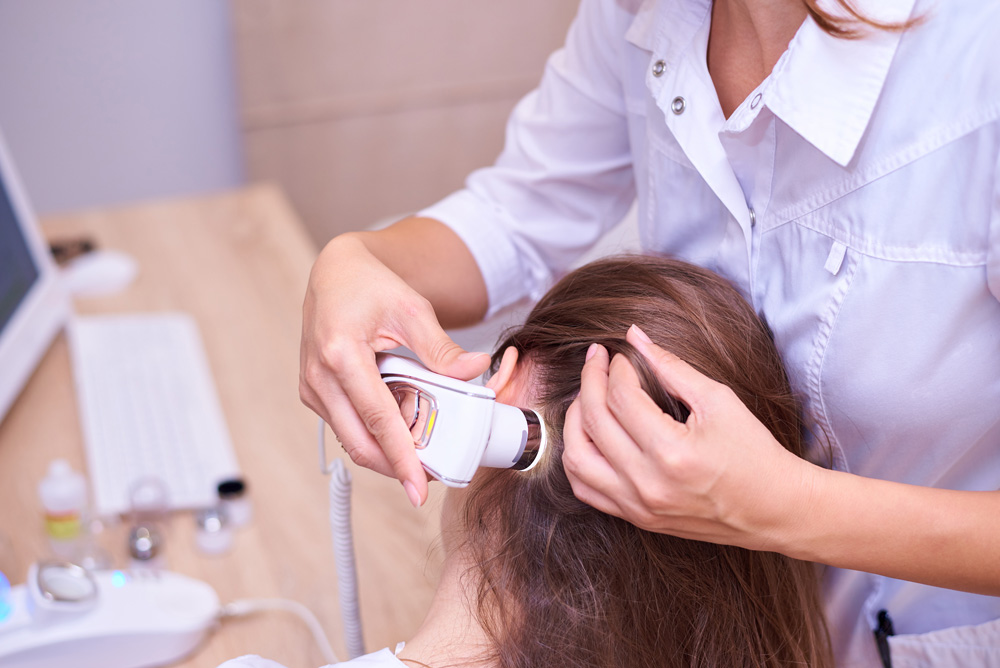
A trichology consultation may help individuals understand how everyday practices interact with hair fibres over time. This knowledge can empower people to make informed adjustments without assuming something is “wrong.”
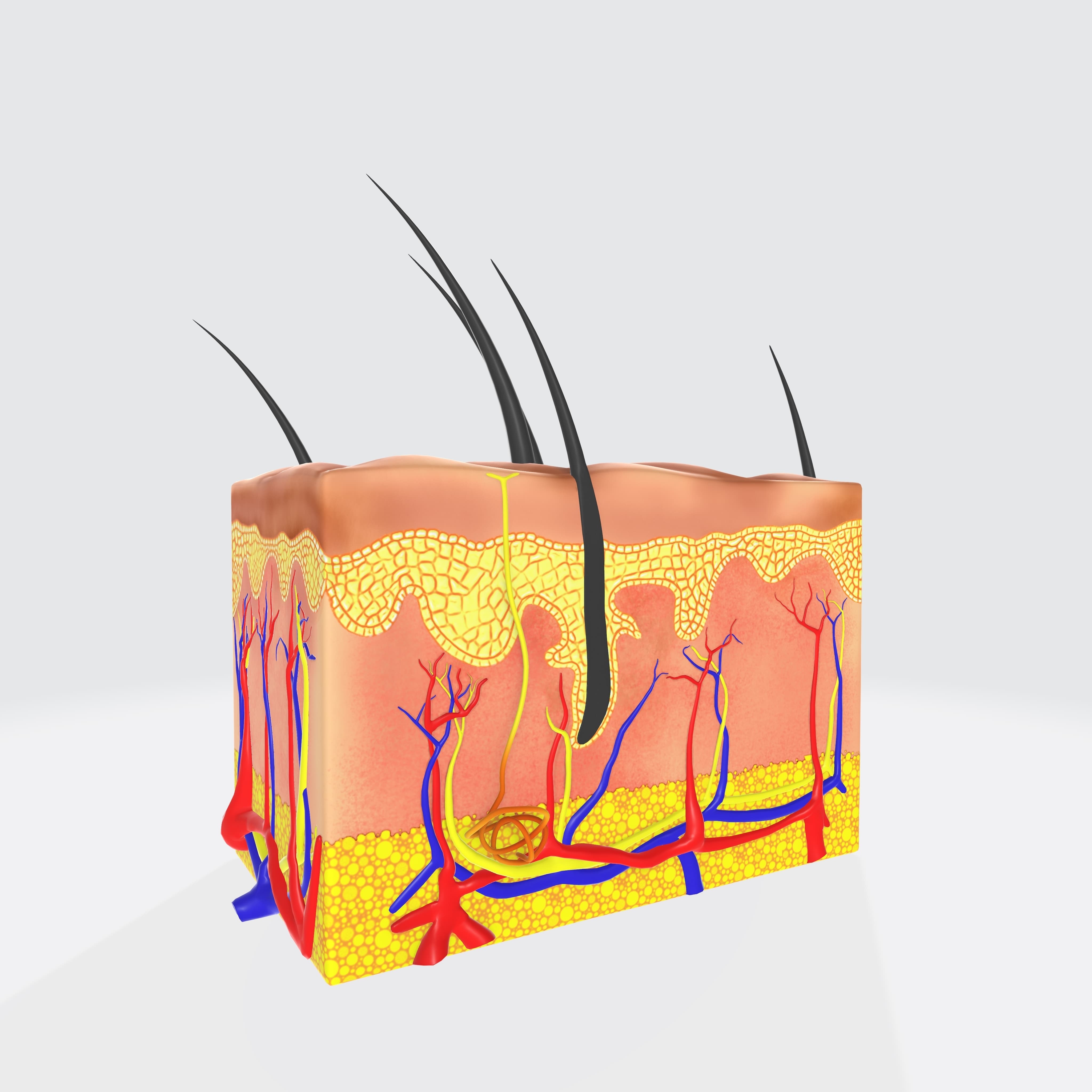
The scalp is skin, and like skin elsewhere on the body, it can experience changes in comfort, sensitivity, or balance. Scalp concerns may include dryness, oiliness, flaking, or feelings of irritation.
These experiences can be influenced by product use, weather changes, stress, or routine habits. Scalp care focuses on maintaining a comfortable environment for the scalp rather than treating disease.
Understanding that scalp comfort can fluctuate helps reduce unnecessary worry. Education about gentle care, observation, and consistency often plays a central role in supportive scalp approaches.
Some hair and scalp concerns are medical in nature and require assessment by a qualified healthcare professional. These may involve underlying health conditions, inflammatory disorders, or systemic factors that cannot be addressed through cosmetic care alone.
Medical hair concerns fall outside the scope of professional trichology practice. Recognising this boundary is important for both practitioners and clients. Seeking medical advice when appropriate is not a failure of trichology, but part of responsible, ethical care.
Understanding these distinctions helps manage expectations. Not every hair change requires medical intervention, and not every concern can be addressed through cosmetic support alone.
Clarity reduces frustration and helps individuals navigate their options without feeling overwhelmed or misled.
When deciding where to seek advice, it can help to consider the nature of the concern, how long it has been present, and whether there are additional symptoms. Asking open, neutral questions and seeking clear explanations can support informed decision-making.
Professional boundaries exist to protect the public, and responsible practitioners will always work within them.
This article explains What Trichology Can and Cannot Help WIth.
For further insight into Ben’s professional background and approach to hair and scalp consultations, continue reading within the blog, including A Calm, Structured Approach to Hair and Scalp Concerns.
Gentle disclaimer:
This article provides general educational information only and does not offer medical advice, diagnosis, or treatment. Hair and scalp experiences vary between individuals. If you have ongoing or concerning symptoms, consultation with a qualified medical professional is recommended.
Suggested reading
You may also find these related articles helpful for broader context and understanding:
• Who Does What in Hair and Scalp Care?
• When Is GP Input Appropriate for Hair or Scalp Concerns?