

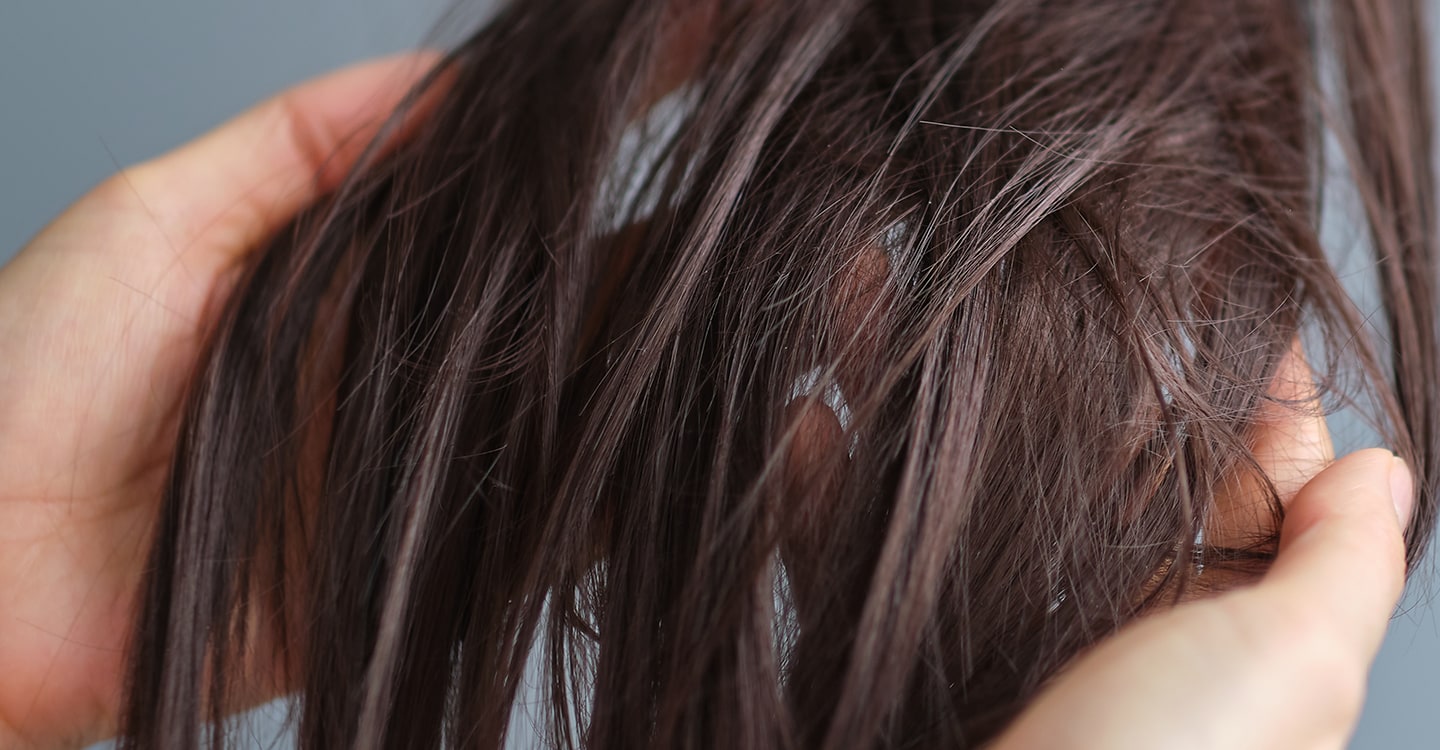





Trichology is the study of the hair and scalp. It focuses on understanding hair growth, scalp condition, and the factors that may influence changes in hair appearance.
Consultations involve structured observation, discussion of relevant lifestyle and care factors, and guidance on hair and scalp support. Where appropriate, referral to a medical professional is recommended.
A trichologist is a trained professional who studies hair and scalp science and how changes may present.
Trichology is not a statutorily regulated profession in the UK, and there is no single protected title or governing body overseeing all practitioners.
In the UK, most trichologists practise outside of a medical setting. They are not medically qualified and do not diagnose medical conditions, prescribe medication or provide medical treatment. Their role is educational, observational and supportive.
No.
TrichoCentre provides trichology consultations focused on observation, education, and cosmetic hair and scalp care guidance.
If medical investigation or treatment may be appropriate, clients are encouraged to consult a GP or other regulated healthcare professional.
People seek support for concerns such as hair shedding, thinning, scalp discomfort or changes in texture or density.
A consultation allows time for careful observation of the hair and scalp, discussion of concerns in detail, and exploration of contributing factors. Where a concern appears outside the scope of professional trichology practice, referral will be recommended.
A consultation provides dedicated time to discuss your hair or scalp concerns in a calm, structured setting.
This usually includes observation of the hair and scalp, discussion of relevant history or lifestyle factors, and clear explanation of possible influences on what you are noticing.
Where appropriate, care options may be discussed or medical referral may be suggested.
Further detail about the consultation process is available on the consultation information page.
Many people book a consultation when they notice changes in their hair or scalp and would like calm, structured guidance on what they are observing.
The consultation provides time to review patterns, discuss possible influences such as lifestyle or hair care routines, and understand what options may be worth considering next.
For many clients, the value is simply having dedicated time to talk things through clearly and leaving with practical, informed next steps.
We see a wide range of hair and scalp concerns.
We have a professional interest in supporting individuals who notice changes during hormonal transitions, including postpartum, menopause or medically supervised hormonal changes.
Our role focuses on structured observation and cosmetic guidance. Hormone therapy, diagnosis and medical management sit within medical care.
Consultations are carried out by a trichologist trained at The Institute of Trichologists and practising since 2015.
Training includes structured study of hair and scalp science and growth cycles. Ongoing professional development supports responsible practice.
Professional standards at TrichoCentre include:
• Practising within a clearly defined scope of professional trichology practice
• Providing transparent information
• Ensuring informed consent
• Avoiding unrealistic claims
• Encouraging medical referral where appropriate
The aim is structured, ethical and responsible care.
We provide guidance relating to:
• Hair history and patterns of change
• Observation of hair and scalp presentation
• Lifestyle and hair-care practices
• General education about how hair changes may occur
All advice remains within cosmetic and educational scope.
We do not:
• Provide medical diagnoses
• Interpret blood test results
• Request medical investigations
• Recommend prescription medicines
• Replace care from a GP or specialist
No.
We do not prescribe, supply or recommend prescription-only medicines.
No.
Our services complement, but do not replace, medical care.
Results vary between individuals.
No guarantees can be made. Consultations focus on structured observation and guidance rather than promised outcomes.
No.
Hair and scalp responses vary, and outcomes may be gradual, limited or not noticeable depending on individual factors.
Hair and scalp changes often occur gradually.
Follow-up appointments allow observation and review over time, if you choose to continue.
This varies.
Follow-ups are often suggested after several months to allow time for review. They are always optional.
Care options refer to cosmetic or supportive approaches that may be discussed during consultation.
They are based on individual suitability and are always optional.
A care plan is a structured way of organising support over time.
Hair and scalp concerns may change gradually, so care plans provide continuity while remaining flexible.
No two care plans are the same.
No.
You are free to stop, pause or continue as you choose. There is no obligation to book follow-up appointments.
Hair and scalp concerns vary widely.
Displaying fixed options could create unrealistic expectations or imply a standardised approach. All options are discussed individually following consultation.
Hair changes vary between individuals, and images can create unrealistic expectations.
We avoid visual comparisons to ensure responsible and transparent communication.
We do not provide wig services.
In some cases, and following individual discussion, certain cosmetic scalp-based hair systems may be available. These are not guaranteed solutions.
Forms and consent documentation help ensure your consultation is informed, appropriate and transparent. Some questions may ask how your hair or scalp concerns affect your day-to-day life, helping provide useful context during the consultation and ensuring guidance is considered within your individual circumstances.
They also confirm the nature of our services and help make best use of your appointment time.
Please review your booking confirmation email carefully before attending, as you may be asked to complete forms in advance.
Arriving 10 minutes early allows time for paperwork without reducing your consultation time.
Late arrival may result in a shortened appointment to avoid affecting other bookings.
Reminders may be sent as a courtesy but are not guaranteed. Please retain your booking confirmation email.
Please use the links at the bottom of your booking confirmation email.
Changes must be made at least 24 hours in advance to avoid additional fees.
%20Logo.png)





I came into Ben’s office full of fear and worries about losing hair. Ben was very kind and patient while educating me on hair and scalp health. He did not try to trick me into buying any expensive products, but he focused on science and explanation. I felt comfortable and supported throughout. — Google Review
Ben was very welcoming and kind, putting me at ease very quickly. His calm and professional manner is second to none and he takes the time to explain things properly to you. Would highly recommend if anyone is worried about hair loss, don’t give up, talk to someone who actually understands hair. — Google Review
Trusted by clients seeking clarity and support