

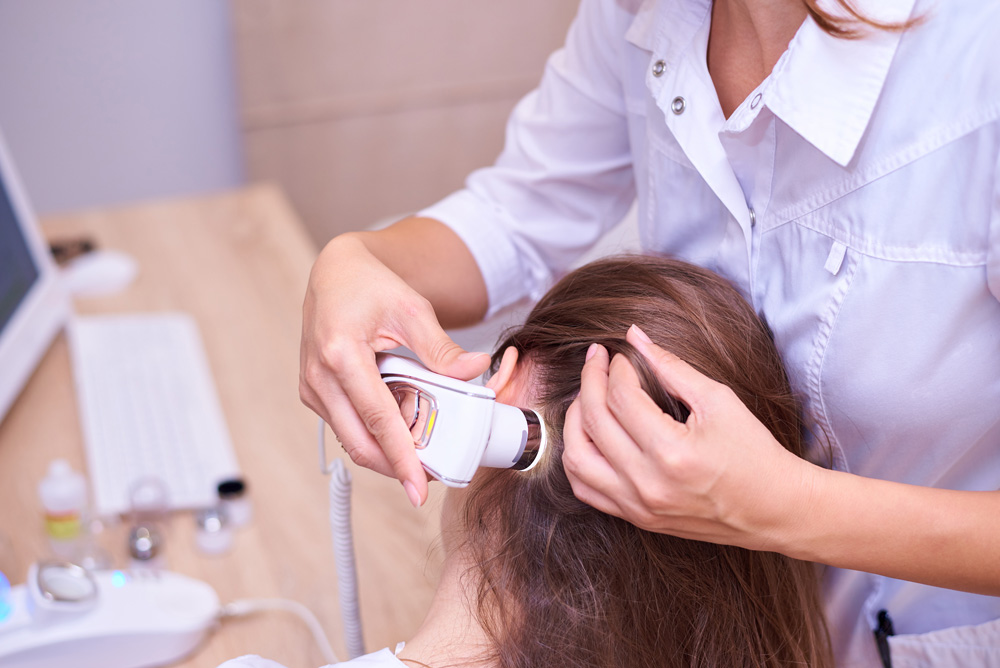
The scalp is skin, yet it is often treated differently from skin elsewhere on the body. Sensations such as itching, tightness, tenderness, sensitivity, or discomfort are commonly experienced, but they are frequently minimised or normalised because they are widespread. As a result, scalp symptoms are often misunderstood, overlooked, or dismissed.
One reason scalp symptoms are underestimated is their familiarity. Many people have experienced an itchy or uncomfortable scalp at some point, which can lead to the assumption that such sensations are insignificant. However, common does not mean meaningless. Recurrent or persistent sensations provide information, even when visible signs are limited or absent. This uncertainty is one reason scalp concerns are often classified as unclear rather than immediately medical or cosmetic, as explained here.
Scalp sensations can arise from a wide range of influences. Environmental exposure, seasonal changes, styling practices, product use, stress, hormonal shifts, and internal changes can all affect how the scalp feels. These influences may interact, making it difficult to identify a single cause. Not all scalp sensations indicate disease, but their presence still deserves attention rather than dismissal.
Another complicating factor is the lack of visible markers. Unlike skin conditions elsewhere on the body, the scalp is often hidden by hair. Redness, flaking, or textural changes may be subtle or intermittent, and in some cases no visible changes are present at all. The absence of visible signs does not invalidate the experience of discomfort.
Sensation is subjective. Two people may experience the same physical stimulus very differently. What feels mild to one person may feel disruptive to another. Because of this variability, scalp symptoms are sometimes discounted, even by those experiencing them.
Understanding scalp awareness involves recognising sensations as signals rather than nuisances. Discomfort does not need to reach a threshold of severity to be acknowledged. Paying attention to when sensations occur, how they change, and what seems to influence them can support earlier recognition of patterns.
Misunderstanding scalp symptoms can lead to delayed responses or inappropriate assumptions. Equally, over-interpretation can create unnecessary worry. Balanced awareness sits between these extremes acknowledging sensation without jumping to conclusions. There are situations where medical input is appropriate, which we outline in this article.
Listening to the scalp means allowing experience to inform decisions rather than ignoring it or catastrophising it. This perspective supports proportionate, thoughtful responses and more informed conversations when guidance is sought.
For further insight into Ben’s professional background and approach to hair and scalp consultations, continue reading within the blog, including A Calm, Structured Approach to Hair and Scalp Concerns.
Gentle disclaimer:
Persistent, worsening, or concerning scalp symptoms should be discussed with an appropriately qualified healthcare professional.
Suggested Reading
Related topics you may find useful include:
• How Hair and Scalp Concerns Are Classified: Cosmetic, Medical, or Unclear
• When Is GP Input Appropriate for Hair or Scalp Concerns?