

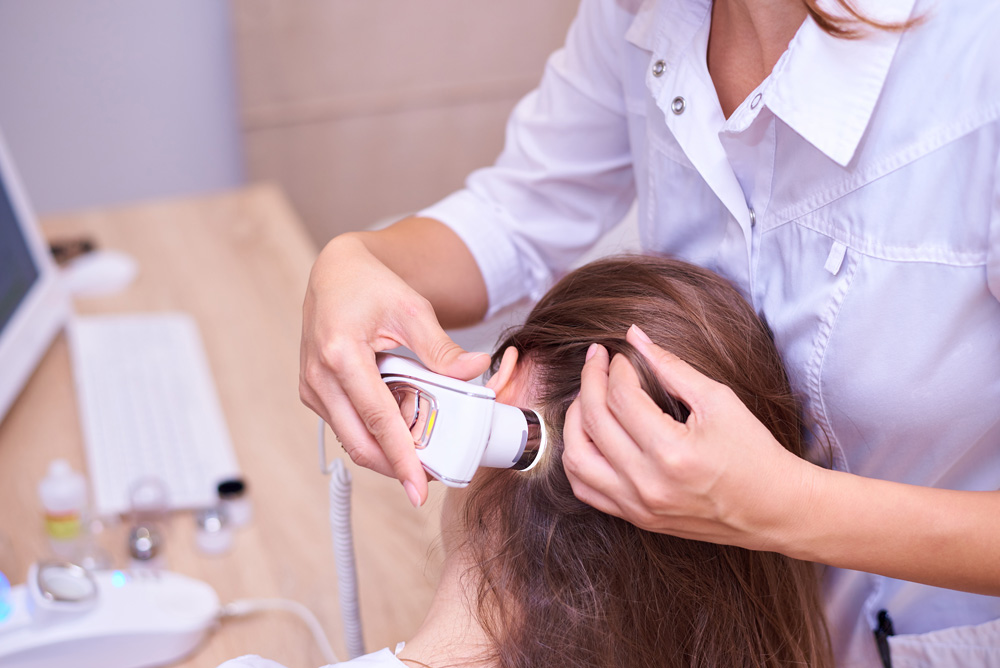
Hair and scalp changes affect people in different ways. For some, changes are mild and short-lived, while for others they may feel more emotionally significant. Because hair is often linked to identity and confidence, it is natural for people to seek information and reassurance.
Alongside conventional healthcare, some individuals explore complementary or wellbeing-focused approaches as part of their broader self-care routine. These approaches are generally used to support overall wellbeing rather than to replace medical advice.
This article looks at commonly discussed complementary products and wellbeing practices in a balanced, informative way.
Complementary approaches include products or practices that sit outside conventional medical treatment. They may involve nutritional supplements, cosmetic or natural topical products, or wellbeing techniques that focus on relaxation and balance.
In the context of hair and scalp care, these approaches are usually explored for comfort, routine support, or general wellbeing rather than as solutions to specific conditions.
Many natural ingredients are discussed in relation to hair and scalp care. These are widely available and often marketed as supplements or cosmetic products.
It is important to recognise that supplements are not suitable or necessary for everyone. They are most relevant when a specific nutritional need has been identified.
Amino acids
Amino acids form the building blocks of protein, including keratin. While essential in the diet, additional supplementation is not always necessary for most people.
Caffeine
Caffeine is commonly included in cosmetic hair products. Some people enjoy the feel or manageability these products provide, though responses vary.
Curcumin (turmeric)
Curcumin has a long history of traditional use. In hair care, it is usually included as a complementary ingredient rather than a primary focus.
Onion-based products
Onion extracts contain natural sulphur compounds. Experiences with these products vary, and skin sensitivity can occur.
Pumpkin seed oil
Pumpkin seed oil contains nutrients associated with general wellbeing. Evidence in relation to hair remains limited and does not establish effectiveness for hair changes.
Rosemary oil
Rosemary oil is widely used in aromatherapy and cosmetic hair care. As with all essential oils, careful dilution is important.
Vitamins and minerals
Nutrients such as biotin, vitamin D, and zinc support general health. Supplementation is typically most appropriate when a deficiency has been identified.
Wellbeing practices focus on relaxation and emotional balance. While they do not alter hair growth directly, they may help people feel more supported.
Massage and aromatherapy
Massage and aromatherapy are commonly used for relaxation and comfort.
Acupuncture
Some people explore acupuncture as part of general wellbeing. Evidence relating specifically to hair varies.
Hypnotherapy
Hypnotherapy focuses on emotional wellbeing and coping strategies rather than physical change.
This broader overview helps place wellbeing approaches into context.
Hair and scalp changes are common across many life stages. Exploring different forms of support is understandable, particularly when changes feel distressing.
Complementary and wellbeing approaches may support relaxation, routine, and emotional comfort. However, they should not be viewed as cures or substitutes for medical advice.
Trichology focuses on education, observation, and supportive care within clear professional boundaries.
Trichology focuses on education and supportive care.
For further insight into Ben’s professional background and approach to hair and scalp consultations, continue reading within the blog, including A Calm, Structured Approach to Hair and Scalp Concerns.
Gentle disclaimer:
This article is provided for general educational purposes only. It does not offer medical advice, diagnosis, or treatment, and it does not endorse specific products or therapies. Complementary and wellbeing approaches vary in suitability and evidence. Anyone with health-related concerns, or considering supplements or topical products, should seek advice from an appropriately qualified healthcare professional.
Suggested reading
You may also find these related articles helpful for broader context and understanding:
• Is “Hair Greed” a Real Thing or Just a Modern Hair Myth?
• Why “One-Size-Fits-All” Hair Advice Is Unreliable