

Some daily hair shedding is a normal part of the hair growth cycle and often goes unnoticed. When hair changes feel sudden, persistent, or distressing, it is natural to want to understand why.
For many people, hair is closely linked to confidence and identity. Changes in hair density or volume can feel emotionally challenging, even when they are temporary.
Hair changes may be influenced by a wide range of factors. These can include genetics, lifestyle habits, stress, nutritional balance, hormonal life stages, illness, medications, and everyday hair care practices. Often, more than one factor is involved, which can make hair changes difficult to understand.
Because hair health and general health are not always the same, different professionals may look at hair concerns from different perspectives.
This article explains how hair concerns differ.
Blood tests are medical investigations used by healthcare professionals to assess aspects of general health. In some situations, a medical professional may request blood tests to help explore health-related factors that could be relevant to hair changes.
It is important to understand that:
• Blood tests are not hair-loss tests
• They do not confirm or rule out hair changes on their own
• Results may fall within normal ranges even when hair changes are present
Blood testing and medical interpretation sit entirely within medical care.
Not all hair changes are linked to measurable medical factors. Emotional stress, significant life events, and certain styling or hair-care practices can influence hair appearance and shedding. In many cases, these types of changes improve over time with supportive care and reduced strain on the hair and scalp.
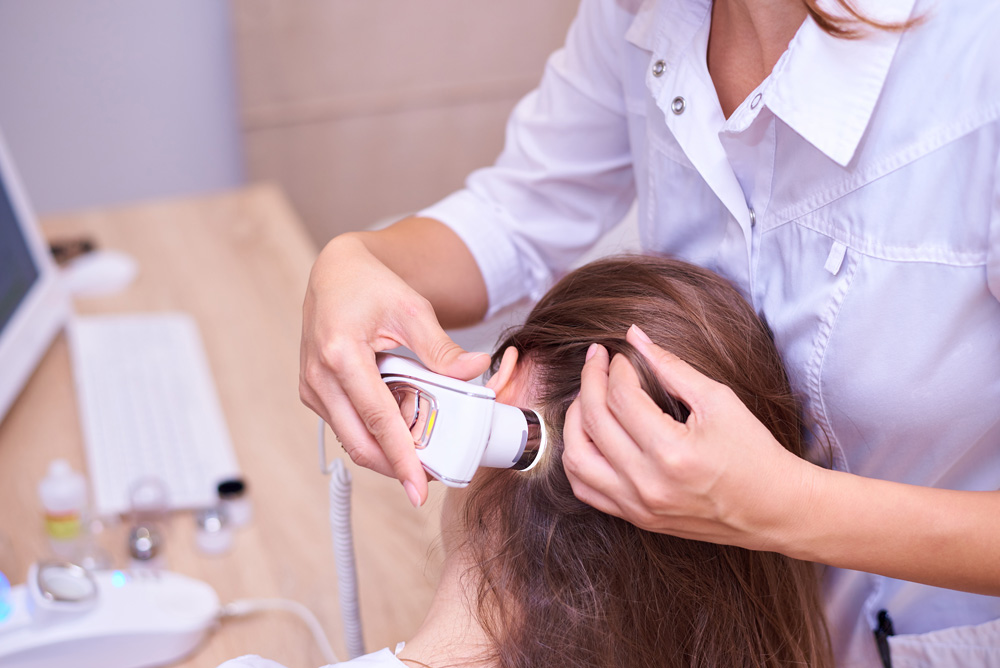
Trichology focuses on the hair and scalp from a educational perspective. A trichology consultation provides space to discuss hair concerns, explore patterns of change, and understand how lifestyle habits and hair-care routines may be influencing the hair over time.
Trichologists do not:
• Request blood tests
• Diagnose medical conditions
• Provide medical or prescription treatments
Where a concern appears outside the scope of professional trichology practice, individuals may be encouraged to seek advice from an appropriately qualified healthcare professional.
Everyone’s hair journey is different. Feeling listened to, supported, and informed can make a meaningful difference when dealing with hair concerns. Taking time to understand what may be influencing the hair without pressure or promises helps people make confident, informed decisions about their next steps.
This outlines what trichology services do and do not include.
For further insight into Ben’s professional background and approach to hair and scalp consultations, continue reading within the blog, including A Calm, Structured Approach to Hair and Scalp Concerns.
Gentle disclaimer:
TrichoCentre provides UK trichology services only. This content is for general information and education and does not constitute medical advice. Any medical concerns should be discussed with a qualified healthcare professional.
Suggested reading
You may also find these related articles helpful for broader context and understanding:
• When Is GP Input Appropriate for Hair or Scalp Concerns?
• How Evidence Works in Hair Science and Why It Can Be Confusing