

Hair shedding is a normal part of everyday life. Each hair follows a natural growth cycle, and it is typical for hairs to shed and be replaced over time. Many people lose hairs daily without noticing, as this process usually happens gradually.
In many situations, increased shedding is temporary and may settle on its own. Hair often responds slowly to changes within the body or environment, meaning shifts in shedding or texture may appear some time after an influencing factor has occurred.
While changes in hair can sometimes reflect broader lifestyle or health influences, they are not always a sign of a problem. Understanding what is common can help reduce unnecessary concern.
For a wider perspective on hair changes, you may find Hair Loss: Understanding the Bigger Picture helpful
Hair changes in women can feel particularly confusing. Unlike some patterns more commonly observed in men, which are often strongly linked to family history, hair changes in women are usually influenced by a combination of factors rather than a single cause.
These influences may include lifestyle routines, nutritional balance, stress, hormonal life stages, hair care practices, and environmental exposure. Because several factors may overlap, changes in women’s hair are rarely straightforward or easily explained.
It is also important to recognise that feeling generally well does not always mean hair will remain unchanged. Hair can be sensitive to subtle internal shifts, even when overall health feels stable.
Trichology focuses on the hair and scalp as part of general wellbeing. Trichologists and medical professionals have different roles and areas of expertise, and they approach hair concerns from different perspectives.
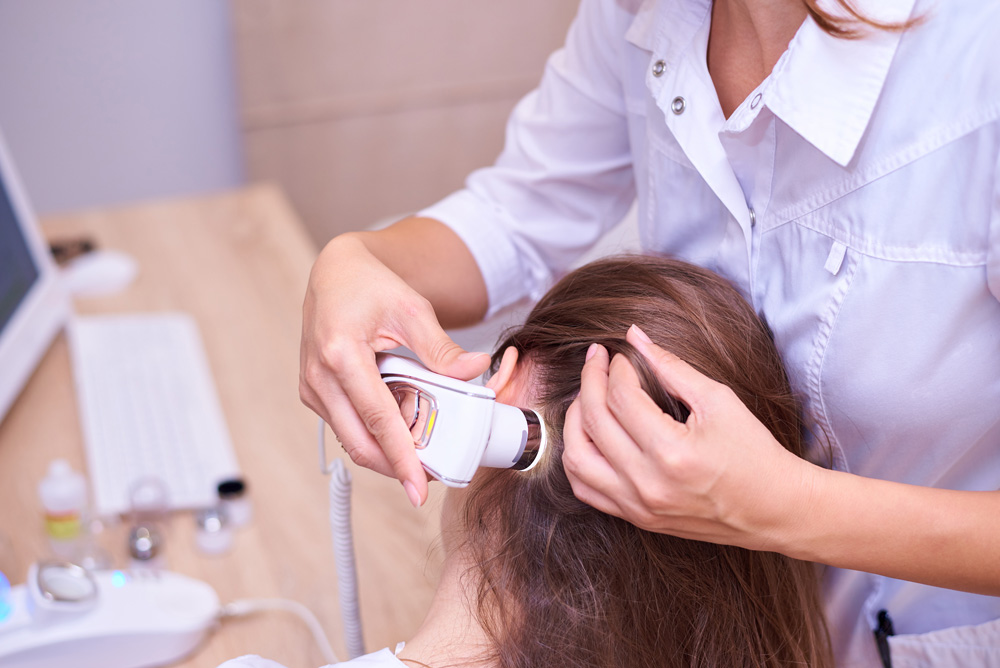
Trichology consultations centre on observation, discussion, and education around hair and scalp care. The purpose is to explore patterns, routines, and potential influences rather than to diagnose medical conditions or provide medical treatment.
Where a concern appears to fall outside the scope of professional trichology practice, individuals may be encouraged to seek advice from an appropriately qualified healthcare professional.
There is no single explanation that applies to everyone experiencing hair changes. Each person’s hair reflects their unique combination of genetics, routines, lifestyle, and life stage.
Taking time to look at the wider picture can help individuals feel more informed. Even when clear answers are not immediate, understanding possible influences can provide clarity and reassurance.
Changes in hair can feel distressing. For many women, hair is closely connected to confidence, identity, and self-expression. Noticing shedding, thinning, or changes in texture can feel unsettling, even when changes are temporary.
Access to calm, factual information and a space to discuss concerns can help individuals feel supported as they navigate these experiences.
Hair behaviour can also shift naturally over time, which is explored in Why Hair and Scalp Changes Can Happen at Different Life Stages.
For further insight into Ben’s professional background and approach to hair and scalp consultations, continue reading within the blog, including A Calm, Structured Approach to Hair and Scalp Concerns.
Gentle disclaimer:
This article is provided for general information and educational purposes only. Trichology services do not diagnose medical conditions or provide medical treatment. Individual experiences vary. Anyone with persistent, painful, or concerning symptoms should seek advice from an appropriately qualified healthcare professional.
Suggested reading
You may also find these related articles helpful for broader context and understanding:
• Why Timelines Matter in Hair and Scalp Changes
• Why Some Hair Concerns Resolve and Others Persist