

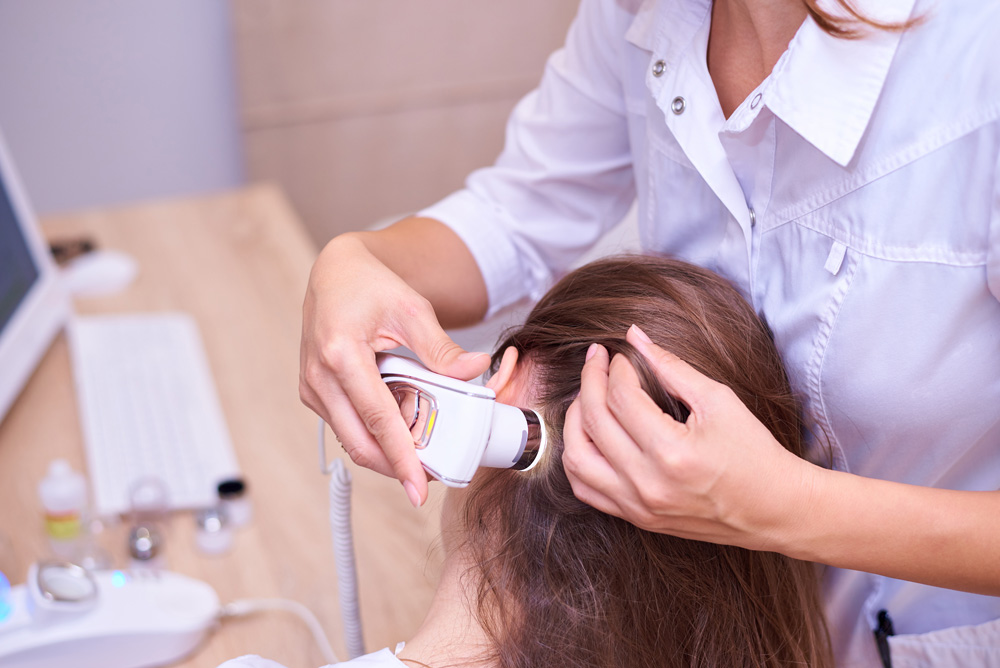
Hair and scalp changes are something many people notice at various points throughout their lives. These changes are often unexpected and can sometimes feel worrying, particularly if they occur gradually or without an obvious explanation. Understanding that hair and scalp behaviour can shift naturally over time may help place these experiences into context and reduce unnecessary concern.
Rather than being a sign that something is “wrong,” changes in hair or scalp condition are often part of a broader picture influenced by age, lifestyle, environment, and personal circumstances.
This broader overview of hair changes may also be helpful: Hair Loss: Understanding the Bigger Picture.
This article explains how hair, scalp, and medical concerns differ.
It is common to assume that hair and scalp characteristics should remain the same throughout adulthood. In reality, hair growth patterns, hair fibre characteristics, and scalp comfort can change over time.
Hair is biologically active tissue, and the scalp is living skin. Both respond to internal and external influences. These responses may be subtle or more noticeable, but they are rarely sudden or isolated.
Understanding this can be reassuring, particularly for those who feel caught off guard by changes they did not anticipate.
In early adulthood, hair and scalp changes are often linked to lifestyle factors. Changes in routine, stress levels, sleep patterns, diet, and hair care habits can all influence how hair and scalp behave.
Styling practices may also become more frequent or varied during this stage of life. Heat styling, chemical treatments, and changes in product use can affect hair texture and scalp comfort over time.
For many people, small adjustments to care routines and a better understanding of scalp needs can help support comfort and manageability during this stage.
Midlife is a time when many people begin to notice gradual changes in hair density, texture, or growth patterns. These changes often happen slowly and may be influenced by a combination of factors rather than a single cause.
General wellbeing, stress management, and lifestyle balance often become more important during this stage. Hair and scalp may reflect broader changes in routine or priorities, including increased work responsibilities or caring roles.
Education around hair growth cycles and scalp function can help individuals understand why changes may appear more noticeable at certain times, even when daily routines feel familiar.
As people move into later life, hair and scalp characteristics may continue to evolve. Hair fibres may feel finer or drier, and scalp comfort may fluctuate more easily.
These changes are often part of natural ageing processes affecting the skin and hair follicles. Understanding that these shifts are common can help reduce anxiety and encourage gentle, supportive care approaches.
At this stage, many people value simplicity and comfort over complex routines. Learning how to adapt care practices to changing needs can support confidence and wellbeing.
Hair changes can carry emotional weight at any life stage. Hair is closely linked to identity and self-expression, and changes can sometimes affect confidence or self-image.
Acknowledging these feelings is important. Education and open discussion can help individuals feel less alone in their experiences and more equipped to make thoughtful decisions about care and support.
Supportive consultations can provide a space to explore these concerns without pressure or expectation.
One of the most helpful approaches to hair and scalp changes is observation over time. Hair growth is cyclical, and changes often do not follow a linear pattern.
Understanding that improvement or adjustment takes time can help manage expectations. Rather than seeking immediate solutions, many people benefit from focusing on consistency, gentle care, and informed choices.
While many hair and scalp changes are manageable through supportive care, there are times when seeking advice from a qualified healthcare professional may be appropriate. Persistent discomfort, sudden changes, or symptoms affecting overall wellbeing should always be taken seriously.
Recognising professional boundaries supports safe, ethical care and ensures individuals receive the most appropriate guidance for their situation.
For further insight into Ben’s professional background and approach to hair and scalp consultations, continue reading within the blog, including A Calm, Structured Approach to Hair and Scalp Concerns.
Gentle disclaimer:
This article is intended for general educational purposes only and does not provide medical advice or diagnosis. Hair and scalp changes vary between individuals and life stages. Anyone with persistent, sudden, or concerning symptoms should seek advice from an appropriately qualified medical professional.
Suggested reading
You may also find these related articles helpful for broader context and understanding:
• Why Timelines Matter in Hair and Scalp Changes
• Why “One-Size-Fits-All” Hair Advice Is Unreliable