
Hair is closely tied to identity, self-expression, and confidence. Changes in hair or scalp can therefore affect more than appearance alone. They can influence how people feel about themselves, how they interact socially, and how comfortable they feel in everyday situations.
Acknowledging the emotional impact of hair changes is an important part of understanding the whole experience, not just the physical aspects.
Placing hair changes into context can feel reassuring.
From a young age, hair often becomes part of how individuals express personality, culture, and style. Over time, it can become linked to routine, familiarity, and self-recognition.
When hair changes, even subtly, it may feel as though something familiar has shifted. This can lead to feelings of uncertainty or loss, even when changes are gradual or expected.
Recognising that these feelings are valid can help individuals approach hair changes with greater self-compassion.
People respond differently to hair changes. Some may feel mildly concerned, while others may experience frustration, sadness, or anxiety. There is no “correct” response.
Emotional reactions may be influenced by personal history, life stage, and broader life circumstances. Stressful periods can amplify concerns, making changes feel more significant than they might otherwise.
Understanding this variability helps reduce comparison and self-judgement.
Hair is highly visible, which can make changes feel exposed or difficult to ignore. Unlike some health concerns that remain private, hair changes are often noticed by the individual daily.
This visibility can lead to increased self-monitoring, which may heighten awareness of normal variations and create a cycle of worry.
Learning to step back from constant observation can sometimes help reduce emotional strain.
Many people hesitate to talk openly about hair concerns, worrying they may seem vain or trivial. In reality, these concerns are deeply personal and often linked to wellbeing.
Creating space for open, non-judgemental conversation can be powerful. Whether speaking with a professional, a trusted friend, or a support network, sharing concerns can reduce isolation.
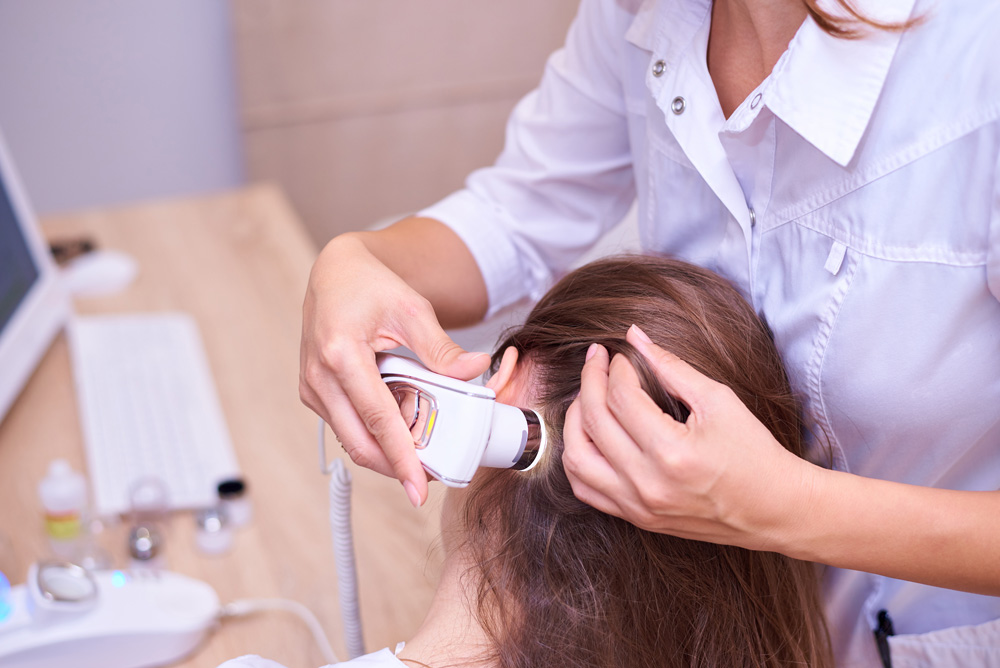
Professional consultations that acknowledge emotional aspects alongside physical observations can feel particularly supportive.
Online imagery and marketing can create unrealistic expectations around hair. Comparing one’s own experience to idealised images may intensify dissatisfaction.
Developing a more grounded understanding of hair diversity and natural variation can help counter this pressure. Education plays an important role in normalising a wide range of experiences.
Supporting emotional wellbeing does not necessarily mean finding solutions to change hair. Sometimes, it involves acceptance, adaptation, and learning how to feel comfortable with change.
Mindful self-care, balanced routines, and informed discussions can help individuals feel more at ease over time.
If hair changes begin to significantly affect mood, confidence, or quality of life, seeking additional support may be helpful. This may include professional advice focused on understanding options or support aimed at emotional wellbeing.
Recognising when to seek support is a sign of self-awareness, not weakness.
This explains when speaking to a professional may feel supportive.
For further insight into Ben’s professional background and approach to hair and scalp consultations, continue reading within the blog, including A Calm, Structured Approach to Hair and Scalp Concerns.
Gentle disclaimer:
This article is provided for general educational and supportive purposes only. It does not offer medical advice or mental health treatment. Emotional responses to hair changes vary between individuals. Anyone experiencing significant distress or ongoing concerns is encouraged to seek appropriate professional support.
Suggested reading
You may also find these related articles helpful for broader context and understanding:
• Is “Hair Greed” a Real Thing or Just a Modern Hair Myth?
• Why Some Hair Concerns Resolve and Others Persist