

Noticing changes in hair or scalp can prompt many questions. Some changes may feel minor and temporary, while others may be more persistent or emotionally unsettling. Knowing when it may be helpful to seek professional advice can feel unclear, particularly when there is so much information available from different sources.
Understanding that seeking advice is not about urgency or alarm, but about reassurance and informed choice, can help people approach this decision with greater confidence.
Hair and scalp experiences naturally vary over time. Changes in texture, shedding patterns, or scalp comfort can occur as part of everyday life and may resolve without intervention.
However, some individuals notice changes that persist, progress, or feel difficult to understand. In these situations, professional advice can provide clarity and reassurance, even if no specific action is required.
Seeking advice does not mean something is necessarily wrong. Often, it is simply a way to better understand what is being observed.
Professional advice may be considered when:
• Hair or scalp changes feel persistent rather than temporary
• There is uncertainty about whether changes are related to routine habits
• Scalp discomfort affects day-to-day wellbeing
• Hair changes begin to impact confidence or emotional health
In these cases, having a structured conversation with a knowledgeable professional can help organise thoughts, identify patterns, and clarify next steps.
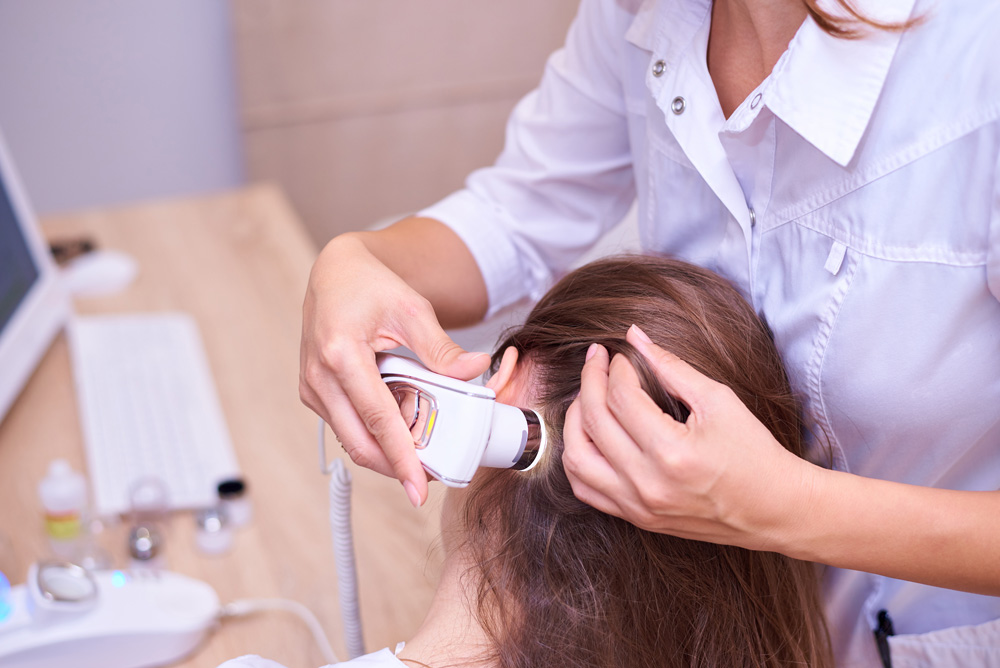
This explains what a trichology consultation typically involves.
Some people delay seeking advice because they worry about overreacting or feel unsure about where to start. In reality, early conversations can be beneficial because they focus on observation and education rather than intervention.
A supportive trichology consultation may simply confirm that what is being experienced is within a normal range, which can be reassuring. It may also highlight simple adjustments that support comfort or manageability.
Early guidance can help prevent unnecessary worry or repeated changes to routines based on guesswork.
It is important to recognise that different professionals offer different types of support. In the UK, most trichologists focus on education, observation, and cosmetic or supportive care. They do not diagnose medical conditions or provide medical treatment.
If concerns appear to fall outside this scope, responsible professionals will suggest seeking advice from a qualified healthcare provider. This referral is part of ethical practice and ensures individuals receive appropriate care.
Understanding these boundaries helps manage expectations and supports informed decision-making.
Hair and scalp concerns are not always purely physical. They can carry emotional weight, particularly when changes affect appearance or self-image.
Seeking professional advice can provide emotional reassurance as well as practical information. Being listened to and having concerns acknowledged can reduce stress and help individuals feel more in control.
A calm, supportive consultation can help shift focus away from fear and towards understanding.
One important aspect of seeking advice is understanding that there is no obligation to take action immediately or at all. Advice is information, not instruction.
Taking time to reflect on what has been discussed allows individuals to make choices that feel right for them. Ethical professionals respect this process and avoid pressure.
Seeking advice can be viewed as a proactive step rather than a reaction to a problem. It reflects self-care, curiosity, and a desire to understand one’s own body better.
This mindset helps reduce stigma around hair concerns and encourages open, informed conversations.
Some concerns may sit outside the scope of trichology.
For further insight into Ben’s professional background and approach to hair and scalp consultations, continue reading within the blog, including A Calm, Structured Approach to Hair and Scalp Concerns.
Gentle disclaimer:
This article is intended for general educational purposes only and does not provide medical advice, diagnosis, or treatment. Individual hair and scalp experiences vary. Anyone with persistent, worsening, or concerning symptoms should seek advice from a suitably qualified healthcare professional.
Suggested reading
• When Is GP Input Appropriate for Hair or Scalp Concerns?
• What a Hair or Scalp Consultation Can and Cannot Tell You