
%2022.02.26.jpg)
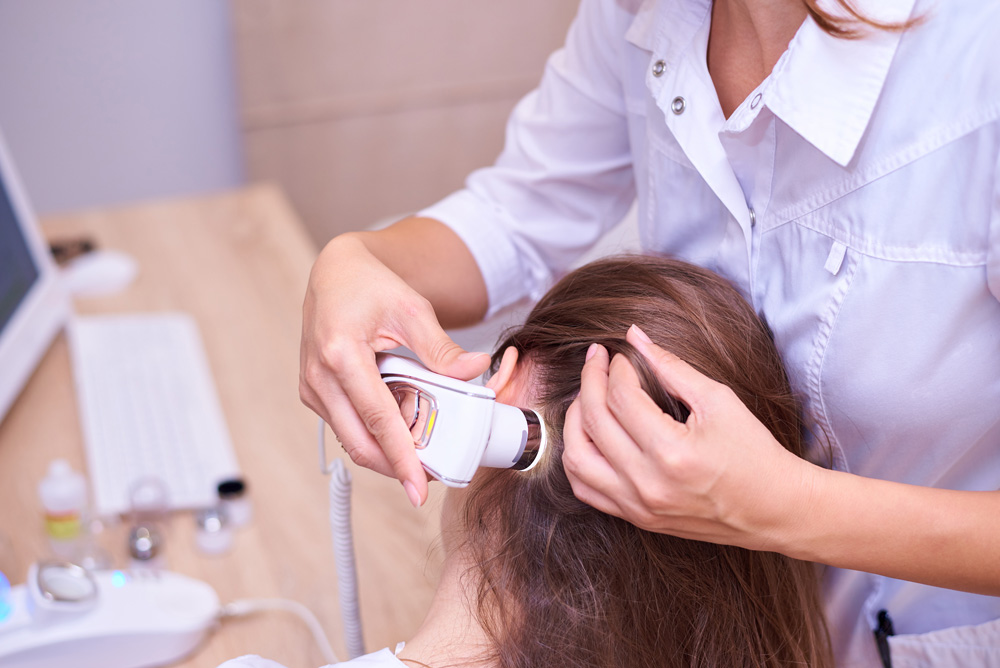
Hair loss is often discussed within cosmetic and aesthetic settings because changes to hair are commonly viewed as appearance-related. While hair changes do not usually affect physical health, they can have a significant emotional impact.
Hair changes can be influenced by many factors, including lifestyle habits, nutrition, hormonal life stages, genetics, and hair-care routines.
This article explains how hair, scalp, and medical concerns are distinguished.
Different professionals support hair concerns in different ways, each within a defined scope of practice.
Aesthetic practitioners focus on cosmetic procedures. Trichologists provide hair and scalp services only, offering education, observation, and guidance. Trichology does not involve medical procedures, injections, prescription treatments, or diagnosis of medical conditions.
Clear professional boundaries help ensure individuals receive appropriate and ethical guidance.
Access to calm, factual information helps people feel more confident when deciding what steps, if any, they wish to take next.
Here’s what typically happens during a trichology consultation.
For further insight into Ben’s professional background and approach to hair and scalp consultations, continue reading within the blog, including A Calm, Structured Approach to Hair and Scalp Concerns.
Gentle disclaimer:
TrichoCentre does not provide medical or prescription treatments. Medical concerns should be discussed with a qualified healthcare professional.
Suggested reading
You may also find these related articles helpful for broader context and understanding:
• Who Does What in Hair and Scalp Care?
• What a Hair or Scalp Consultation Can and Cannot Tell You