
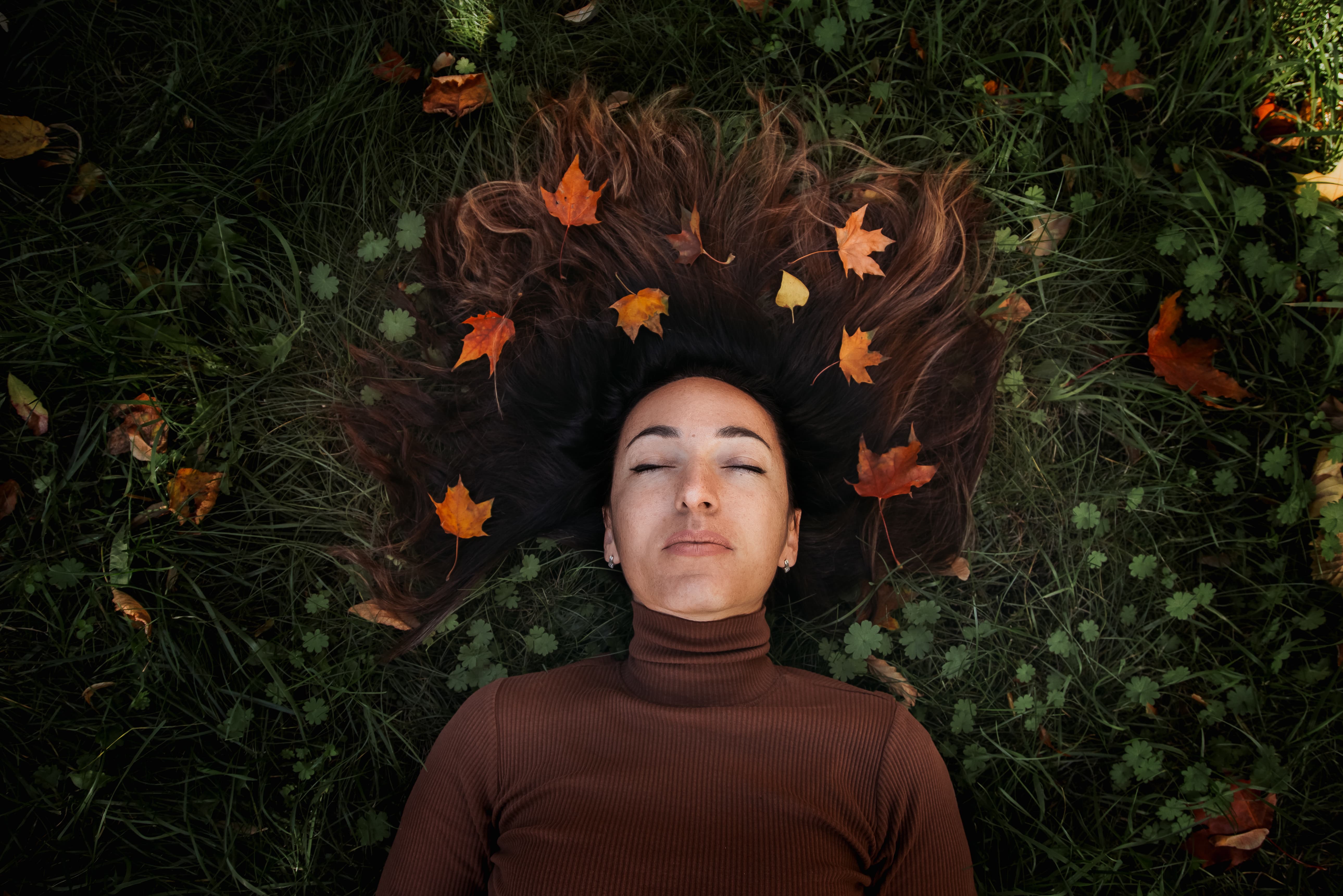
Many people notice that their hair and scalp feel different at various times of the year. Changes in temperature, humidity, daylight, and daily routines can all influence how hair behaves and how comfortable the scalp feels. These shifts are common and usually reflect the body’s natural response to environmental change rather than a problem that needs fixing.
Understanding seasonal influences can help individuals approach hair and scalp care with greater flexibility and reassurance, adapting routines thoughtfully rather than reacting with concern.
Hair and scalp are influenced by the environment in which we live. Seasonal changes often bring variations in weather conditions, indoor heating, air conditioning, and lifestyle patterns. These factors can affect skin hydration, oil production, and how hair fibres respond to everyday care.
Seasonal changes also tend to occur gradually, which means their impact may not be immediately obvious. Many people only notice differences after a few weeks, once patterns have had time to develop.
Recognising that seasonal variation is normal can help reduce anxiety and prevent unnecessary changes to routines.
During colder months, people often spend more time indoors with heating systems that can reduce moisture in the air. This may contribute to a feeling of dryness on the scalp or hair that feels less supple.
Cold outdoor air combined with warm indoor environments can create fluctuating conditions that the scalp needs to adapt to. Some individuals may notice increased sensitivity or tightness during this time.
Gentle care, consistency, and avoiding overly harsh routines can help support comfort. Rather than adding multiple new products, many people find that small adjustments and patience are more effective.
Warmer weather may bring increased humidity, sweating, and more frequent washing. These changes can influence how the scalp feels and how hair behaves day to day.
Increased outdoor activity, exposure to sunlight, and changes in routine may also play a role. For some people, hair may feel lighter and easier to manage, while others may notice increased oiliness or sensitivity.
Maintaining balance during warmer months often involves paying attention to how the scalp responds and adjusting habits gently rather than dramatically.
Understanding what’s normal with shedding can be reassuring.
Some people become concerned about increased hair shedding at certain times of year. While hair shedding occurs continuously as part of the natural hair growth cycle, it can sometimes feel more noticeable during seasonal transitions.
Understanding that hair grows and sheds in cycles can help place these observations into context. Increased awareness during seasonal change can sometimes amplify concern even when shedding remains within a typical range.
Keeping perspective and observing patterns over time can be more helpful than reacting to short-term fluctuations.
Seasonal care does not require a complete overhaul of routines. In fact, frequent changes can make it harder to understand how hair and scalp are responding.
A thoughtful approach involves:
• Observing changes over several weeks
• Making small, gradual adjustments
• Allowing time for the scalp and hair to respond
This approach supports stability and reduces the risk of irritation or confusion caused by frequent product changes.
Seasonal changes often come with shifts in lifestyle. Diet, hydration, sleep patterns, and stress levels may vary throughout the year and can influence overall wellbeing, including hair and scalp comfort.
Maintaining general self-care habits can support hair and scalp indirectly. While these factors are not solutions in themselves, they form part of the broader context in which hair and scalp exist.
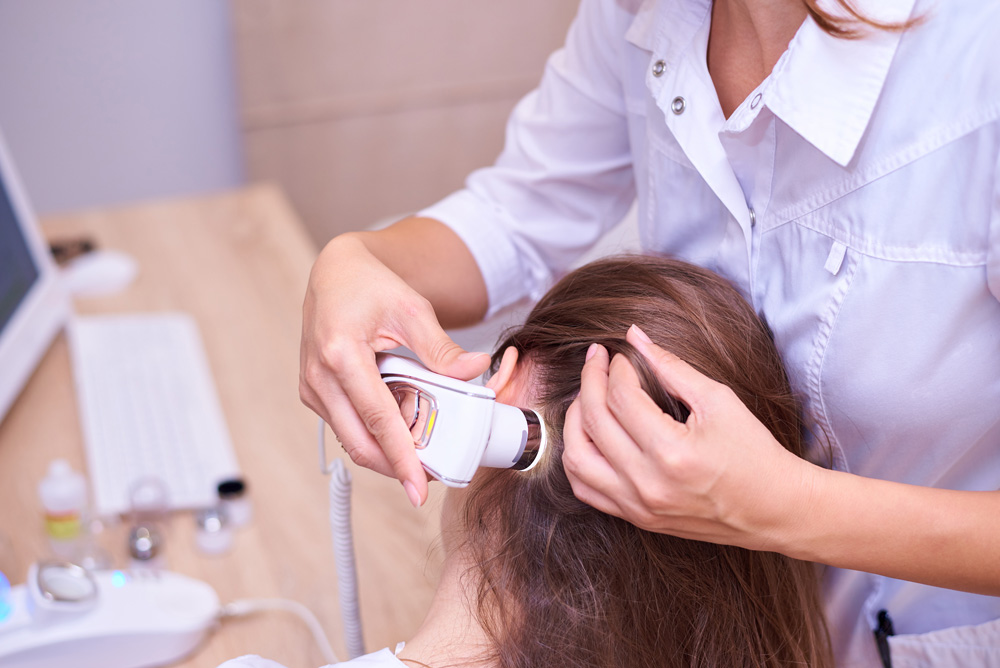
While seasonal variation is common, there may be times when changes feel persistent, uncomfortable, or difficult to understand. In these situations, professional advice can provide reassurance and help clarify whether adjustments are appropriate.
Seeking advice is not about urgency, but about understanding and support.
Gentle, consistent scalp care supports comfort throughout the year.
For further insight into Ben’s professional background and approach to hair and scalp consultations, continue reading within the blog, including A Calm, Structured Approach to Hair and Scalp Concerns.
Gentle disclaimer:
This article is intended for general educational purposes only and does not provide medical advice or treatment. Seasonal hair and scalp experiences vary between individuals. Anyone experiencing persistent or concerning symptoms should seek advice from a suitably qualified healthcare professional.
Suggested reading
You may also find these related articles helpful for broader context and understanding:
• Why Timelines Matter in Hair and Scalp Changes
• Why Scalp Symptoms Are Often Misunderstood