
When people think about hair care, attention is often focused on the hair itself - its length, texture, colour, or styling. The scalp, however, plays a central role in how hair behaves and feels over time. Understanding the role of scalp care as part of everyday hair maintenance can help individuals approach hair care in a more balanced and informed way.
Scalp care does not need to be complex or medicalised. In many cases, it is about awareness, consistency, and gentle support rather than dramatic interventions.
It can help to understand how scalp concerns differ from medical conditions.
The scalp is an extension of the skin on the rest of the body. Like all skin, it has its own characteristics, sensitivities, and needs. It responds to environmental changes, products, routine habits, and general wellbeing.
Because hair grows from follicles located within the scalp, the condition of the scalp can influence how hair looks and feels. This does not mean that every scalp concern leads to hair problems, but it does highlight why scalp care is often considered a foundational part of hair maintenance.
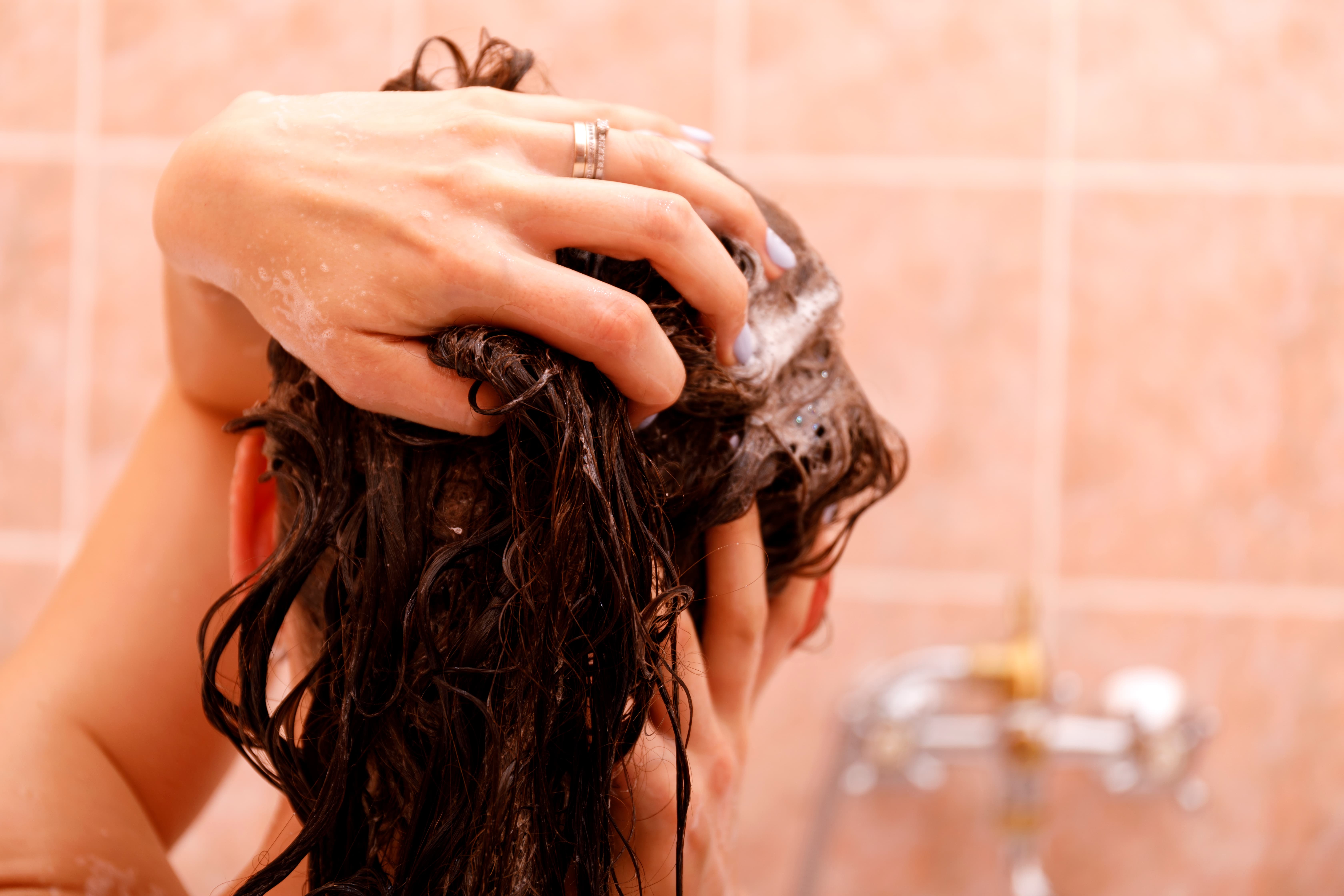
Daily routines can have a cumulative effect on scalp comfort. Washing frequency, water temperature, product choice, and styling habits all interact with the scalp environment.
For example, washing too infrequently or too aggressively may lead to discomfort for some people, while others may find that their scalp responds better to gentler, more regular cleansing. There is no universal routine that suits everyone, which is why observation and adaptation are important.
Environmental factors such as seasonal changes, heating, air conditioning, and pollution can also influence how the scalp feels at different times of year.
Scalp care is often best approached with the idea of balance rather than perfection. A scalp that feels comfortable and supported does not need to meet an idealised standard.
Many people become concerned when they notice minor changes, such as occasional dryness or oiliness. Understanding that some fluctuation is normal can help reduce unnecessary worry and over-treatment.
Overuse of products or frequent changes to routines in response to short-term changes can sometimes make the scalp more reactive rather than more comfortable.
Consistency is a key principle in scalp care. Frequent switching of products or routines can make it difficult to understand how the scalp is responding.
Gentle cleansing, appropriate conditioning, and mindful styling practices often form the basis of everyday scalp support. These practices are not about achieving results quickly, but about supporting comfort over time.
Listening to the scalp, noticing sensations such as tightness, sensitivity, or itchiness can guide small, thoughtful adjustments rather than drastic changes.
Education plays an important role in scalp care. Understanding how hair growth cycles work, how products interact with the scalp, and how lifestyle factors may influence comfort can empower individuals to make informed choices.
This knowledge helps shift focus away from quick fixes and towards sustainable habits. It also encourages realistic expectations, recognising that changes often happen gradually rather than overnight.
Scalp concerns can sometimes feel distressing, particularly if they are uncomfortable or persistent. Increased awareness of the scalp can heighten sensitivity to normal sensations, which may contribute to anxiety.
Approaching scalp care with a calm, observational mindset can help reduce this emotional burden. Supportive discussions with professionals who focus on education rather than outcomes can be reassuring.
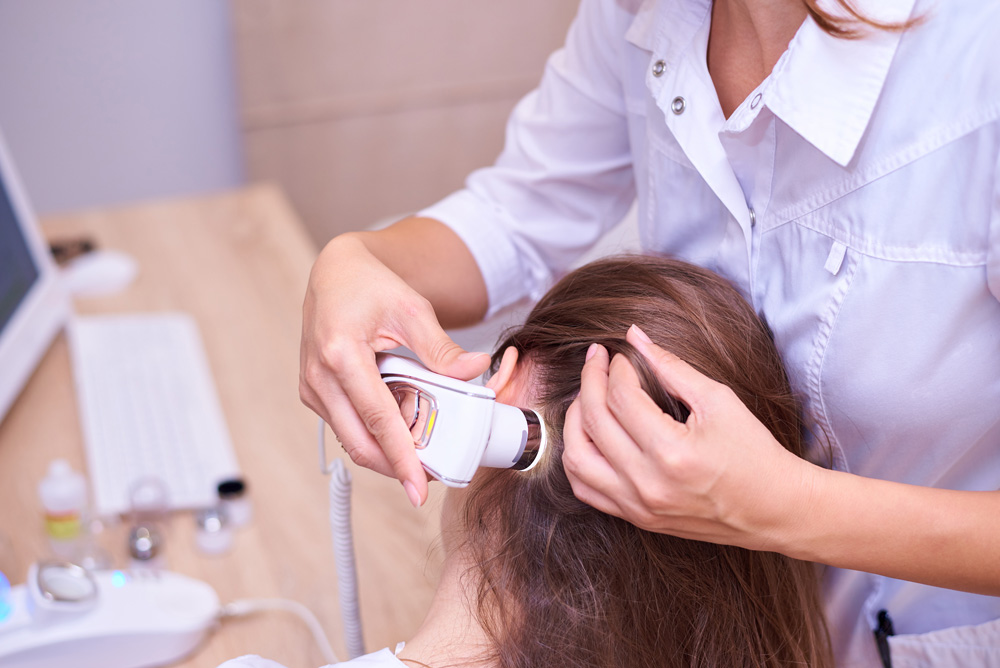
While everyday scalp care can support comfort for many people, there are situations where additional advice may be helpful. Persistent discomfort, visible changes, or symptoms affecting wellbeing should not be ignored.
Understanding when to seek advice - and from whom - supports safe and responsible care. Professional boundaries exist to ensure individuals receive the most appropriate guidance for their situation.
Seasonal changes can also influence scalp comfort, explored here.
For further insight into Ben’s professional background and approach to hair and scalp consultations, continue reading within the blog, including A Calm, Structured Approach to Hair and Scalp Concerns.
Gentle disclaimer:
This article is provided for general educational purposes only and does not constitute medical advice or treatment. Scalp experiences vary between individuals. Anyone experiencing ongoing discomfort, pain, or concerning symptoms should seek advice from a suitably qualified healthcare professional.
Suggested reading
You may also find these related articles helpful for broader context and understanding:
• Why Scalp Symptoms Are Often Misunderstood
• What’s Really in Your Haircare?